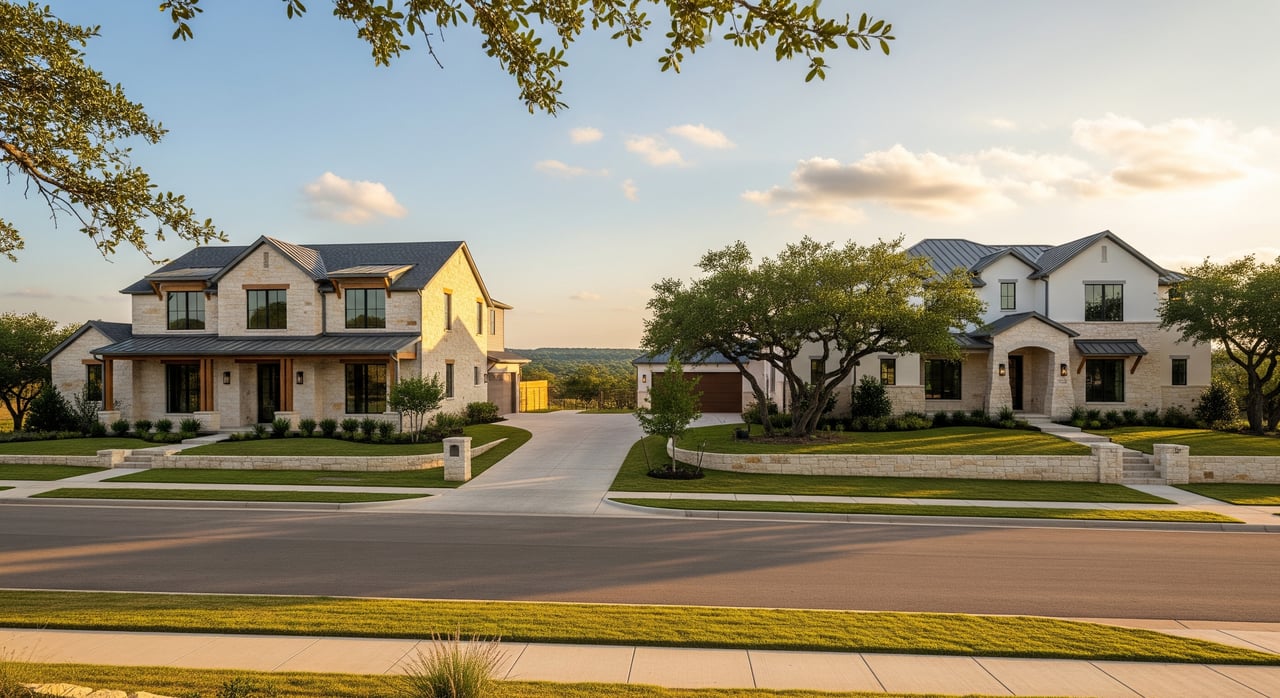
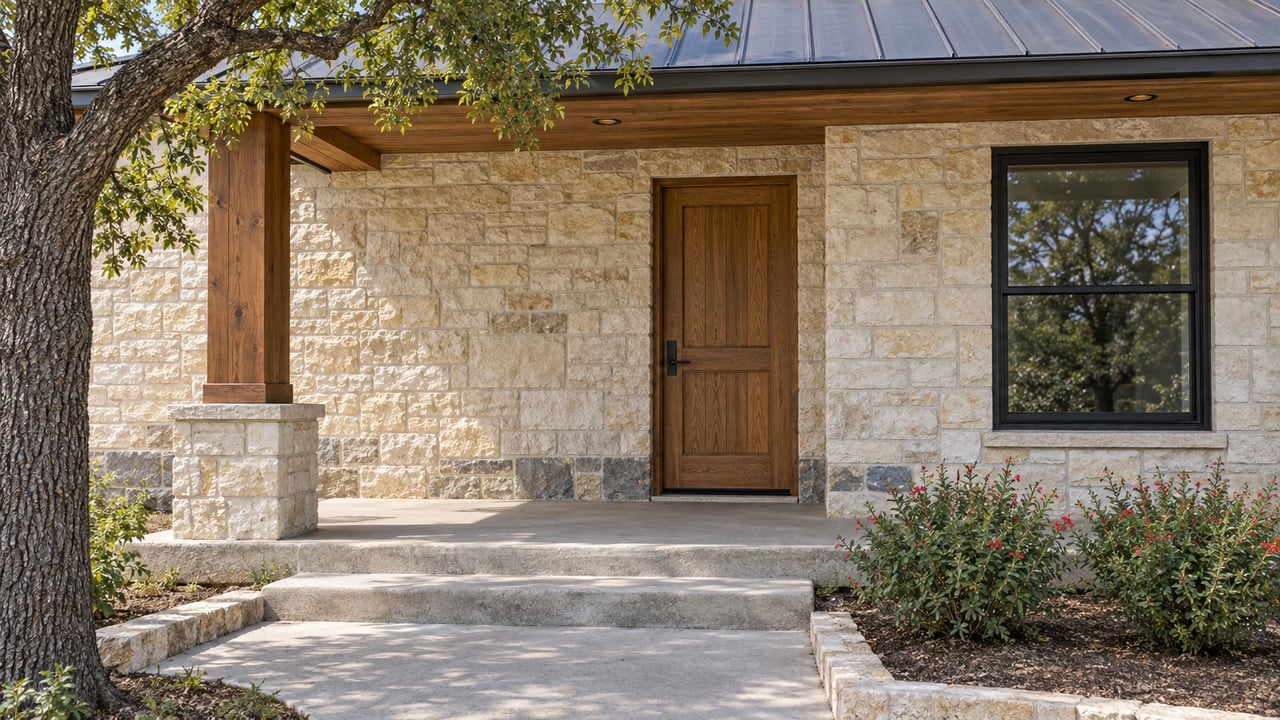
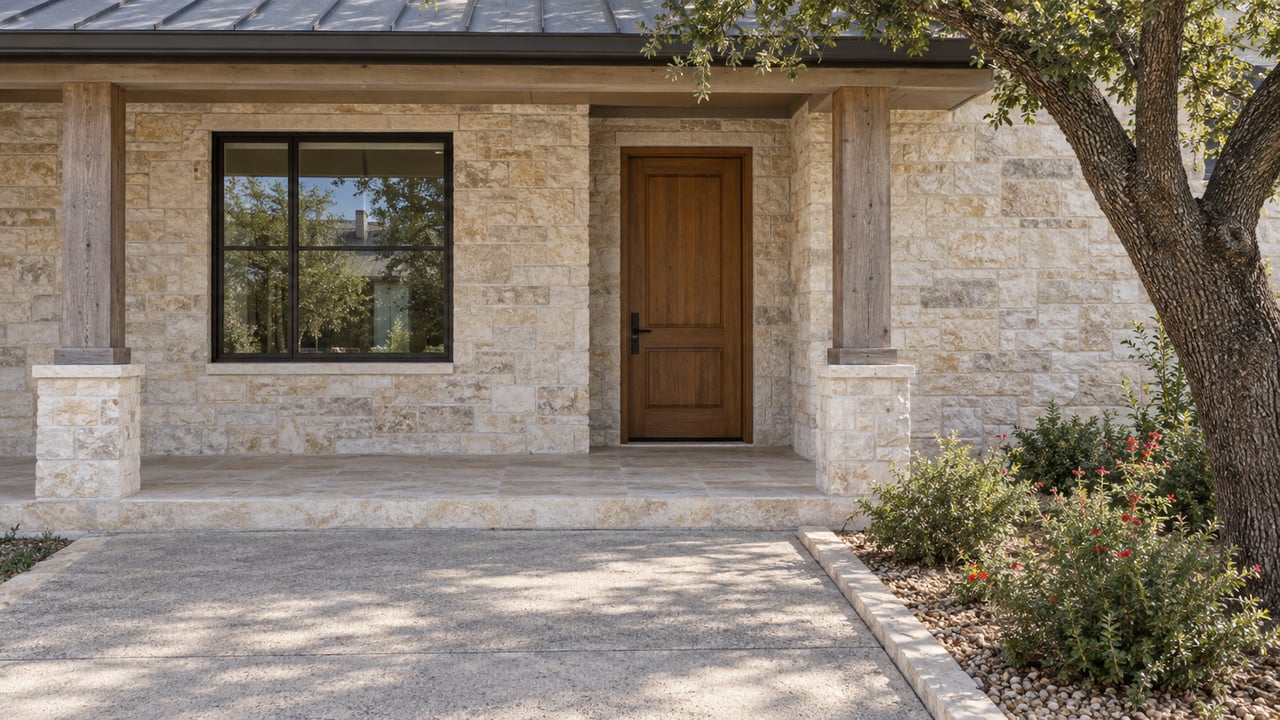
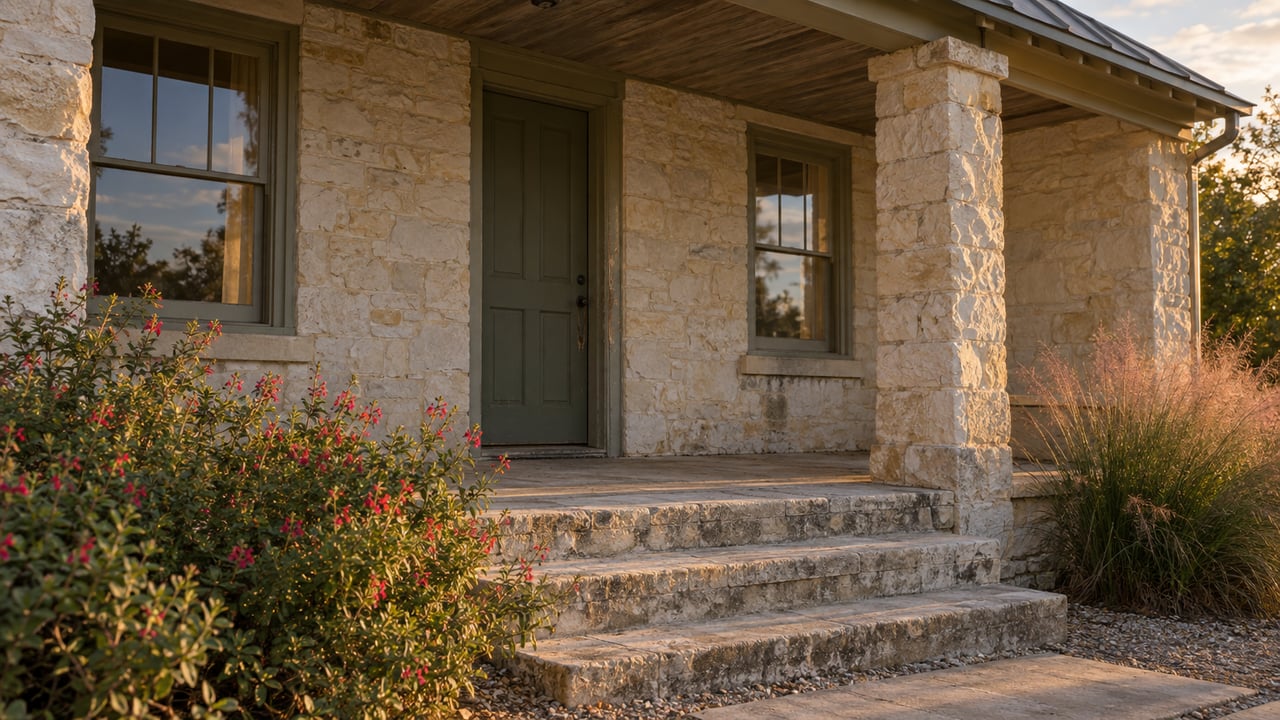
Thinking about building or buying new in Boerne, but not sure which neighborhood fits your life best? You are not alone. Between commute routes, lot sizes, HOAs, incentives, and warranties, there is a lot to compare before you sign a contract. This guide gives you a simple side-by-side framework to evaluate Boerne’s new construction communities, plus local context that matters for long-term ownership. Let’s dive in.
Boerne new-build snapshot
Boerne sits along I‑10 in Kendall County and many residents commute into San Antonio. Depending on the neighborhood and traffic, typical drive times to central San Antonio often fall in the 30 to 45 minute range. Always test your preferred routes during peak hours.
Most homes inside Boerne city limits are served by municipal water and sewer. Outside city limits, some neighborhoods rely on private water utilities, water districts, or septic and well setups. Verify utilities early, since they affect cost, maintenance, and future resale.
Boerne Independent School District serves much of the area. Because attendance boundaries can change, confirm the exact school assignment for the specific lot you are considering.
Property taxes combine Kendall County, city where applicable, and school district rates. Some new communities include special assessments such as public improvement districts or utility districts. Ask for written tax estimates for your lot and check whether any additional assessments apply.
How to compare neighborhoods
Below is a consistent framework you can use to compare new-build communities. For each item, note the source and date you verified it.
Location and access
- Proximity to I‑10 and main arterials. Map morning and evening drive times to your work and daily destinations.
- Distance to essentials like groceries, healthcare, and downtown Boerne. Shorter trips can mean better daily convenience.
Lots and home types
- Typical lot sizes in the community, such as compact, quarter acre, half acre, or larger estate lots.
- Lot premiums for cul‑de‑sacs, views, greenbelt adjacency, and flatter topography.
- Home size ranges, plan types, and whether two‑story or single‑story options are common.
Amenities and HOAs
- Built amenities today versus planned amenities. Pools, parks, trails, dog areas, and community centers add value when complete.
- HOA dues, what they cover, and key covenants. Note architectural review requirements, exterior rules, and rental policies.
- Maintenance responsibilities for yards, private streets, or common areas.
Utilities and infrastructure
- Water and sewer provider, or septic and well if outside city service. Ask about irrigation limits and water rate tiers.
- Electric provider and any natural gas availability.
- Drainage, street lighting, and road maintenance responsibilities.
Schools and attendance zones
- Current Boerne ISD zoning for the exact homesite you are considering. Reconfirm any assumptions in writing.
- Planned school capacity or boundary updates, if any have been announced.
Taxes and special districts
- Estimated property tax rate for the finished home, not just the lot.
- Any special assessments such as PIDs or utility district fees.
Build timeline and inventory
- Whether the neighborhood offers inventory homes, build‑to‑order, or custom lots.
- Approximate build time from contract to close for your plan and lot.
Incentives and financing
- Current builder incentives, like rate buydowns or closing cost credits, and whether they require a preferred lender and title company.
- How the incentive is applied on the closing statement and whether it affects the appraisal.
Warranties and post‑closing service
- Written warranty coverage for workmanship, systems, and structural components. Note term lengths and whether service is handled by the builder or a third party.
- Response times for service requests and how to submit claims.
Resale outlook
- Lot scarcity and appeal, including views, greenbelts, and road noise.
- HOA rules that may shape future buyer demand, including rental policies.
- Proximity to downtown Boerne, trail networks, and I‑10 access.
New-build vs resale tradeoffs in Boerne
Choosing new construction versus resale comes down to timeline, customization, and cost control.
- New-build advantages: modern energy features, builder warranty coverage, and the chance to pick plans, finishes, and lots.
- New-build tradeoffs: construction timelines, potential appraisal questions with heavy upgrades, and amenities that may still be under construction.
- Resale advantages: established landscaping, mature streetscapes, faster closing timelines, and known tax history.
- Resale tradeoffs: limited customization, older systems, and potential maintenance needs in the first few years.
Incentives and financing tips
Builder incentives can be valuable, but you should understand the fine print.
- Confirm in writing whether incentives require a preferred lender or title company. Compare the all‑in rate and fees to independent lender quotes.
- Ask how credits will appear on the contract and final closing statement. Clarify whether the credit is cash to close or an add-on to the purchase price.
- If incentives are time-limited, confirm the expiration date. Ask whether the incentive could impact the appraisal.
- For inventory homes, compare the list of included options versus paying for similar upgrades in a build‑to‑order plan.
Questions to ask:
- Is the incentive tied to a specific lender, and will I get a written cost comparison?
- If I switch lenders, what happens to the incentive?
- How are appraisal shortfalls handled? Is there any appraisal gap protection?
Warranty essentials to confirm
Most new homes use a tiered warranty structure. Always request the full document, not just a summary.
- Workmanship coverage often addresses cosmetic and finish items in the first year. Verify exact timelines for submitting punchlist items.
- Systems coverage usually addresses major electrical, plumbing, and HVAC components for a set term.
- Structural coverage often runs up to 10 years for major load‑bearing defects. Confirm if a third‑party administrator manages claims.
Good practices:
- Hire a third‑party inspector near closing to create a punchlist. Schedule a follow‑up inspection around month 11 so you can catch items before short‑term coverage expires.
- Keep all service requests in writing. Track response times and resolutions.
Red flags to watch
- Amenities that are promised but have no clear construction timeline. Verify whether they are funded and scheduled.
- Incentives that disappear if you change lenders, or that are offset by higher rates or fees.
- HOA restrictions that limit your future plans, such as exterior changes or rental rules, without clear documentation.
- Unclear tax estimates or undisclosed special assessments.
What to verify for each neighborhood
Use this checklist as you compare options and date each item you confirm.
- Lot size range and whether premiums apply for special lots.
- Current HOA dues, what they cover, and any pending assessments.
- School attendance zone for the exact homesite.
- Utility providers for water, sewer or septic, electric, and gas.
- Estimated total property tax rate for the completed home and any special districts.
- Build timeline for your plan and lot, plus available inventory homes.
- Amenity status today versus planned, with target completion dates.
- Current builder incentives with conditions and expiration dates.
- Warranty terms for workmanship, systems, and structural coverage, plus claim process.
- Sample closing statement that shows how incentives apply and the expected cash to close.
Resources to use while you shop
- City and county planning and permitting offices for plats, permits, and development status.
- Kendall County Appraisal District for parcel data and tax details.
- Boerne Independent School District for attendance maps and school assignment confirmation.
- HOA or property management companies for recorded covenants and rules.
- Local MLS and builder sales offices for inventory and pricing.
Ready to compare your short list?
If you want a clear, side-by-side picture of your top neighborhoods, a local guide makes the process smoother. From commute checks and lot selection to incentive analysis and warranty reviews, you can get a curated plan that fits your lifestyle and timeline. For a concierge approach to Hill Country new construction, connect with Kelly Jo Gonzalez.
FAQs
What are typical Boerne commute times from new neighborhoods?
- Many buyers see 30 to 45 minute drives to central San Antonio, depending on neighborhood location and traffic. Test your route during peak hours before you commit.
How do HOAs in new Boerne communities usually work?
- HOAs commonly manage amenities and architectural standards, collect dues, and enforce covenants. Review current dues, rules, and any rental policies before you buy.
Which utilities serve new homes in Boerne?
- Inside city limits, homes are generally on municipal water and sewer. Outside city limits, some neighborhoods use private utilities or septic and well systems. Verify services for your exact lot.
How long does it take to build a new home in Boerne?
- Timelines vary by builder, plan, and permitting. Ask the sales office for current build‑to‑close estimates and whether materials or labor constraints could add time.
What should you look for in builder incentives in Boerne?
- Confirm if incentives require a preferred lender, how credits appear on your closing statement, and whether they affect appraisal. Compare the total loan cost to independent quotes.
How do new-home warranties in Boerne typically work?
- Many builders provide tiered coverage, with workmanship in the first year, systems for a set term, and structural coverage that can extend up to 10 years. Get the full warranty in writing and note claim procedures.