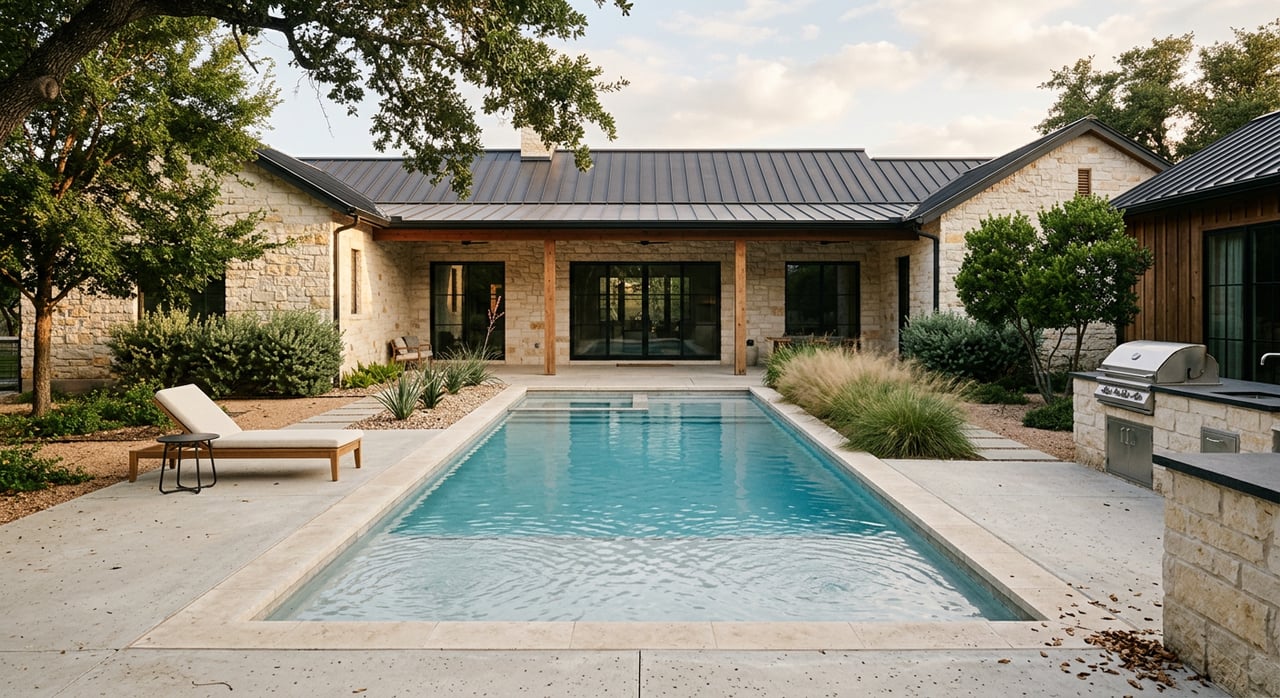
Fredericksburg Vacation Home Buying in Wine Country
Lifestyle Kelly Jo Gonzalez March 5, 2026
Lifestyle Kelly Jo Gonzalez March 5, 2026
Dreaming of your own Hill Country hideaway where you can sip a local tempranillo under big Texas skies, then rent it out on weekends you are away? You are not alone. Fredericksburg’s wine country draws steady visitors year-round, which makes it a compelling place to plant a second home that can also earn income. In this guide, you will learn how the market works, what to buy, the rules that matter, and a clear checklist to move from idea to keys in hand. Let’s dive in.
Fredericksburg is a mature destination with a strong tourism engine. The local visitor bureau reports about $175 million in annual visitor spending in Gillespie County, supporting roughly 1,200 local jobs, which signals durable demand for stays and experiences in and around town. You can explore the economic picture in the city’s summary of visitor spending and impact.
Demand is event-driven and seasonal. The destination programs hundreds of festivals and special events each year, and big weekends tend to cluster around spring wildflowers, fall harvest and October celebrations, and winter holidays. You can scan the Fredericksburg events calendar to see how weekends stack up and plan your own use around peak dates. Weekdays are softer, so smart pricing and packages help fill the gaps.
Bottom line: the market is weekend-strong with year-round anchors. That rhythm aligns well with second-home living since you can enjoy prime midweek time and still capture weekend revenue when you head home.
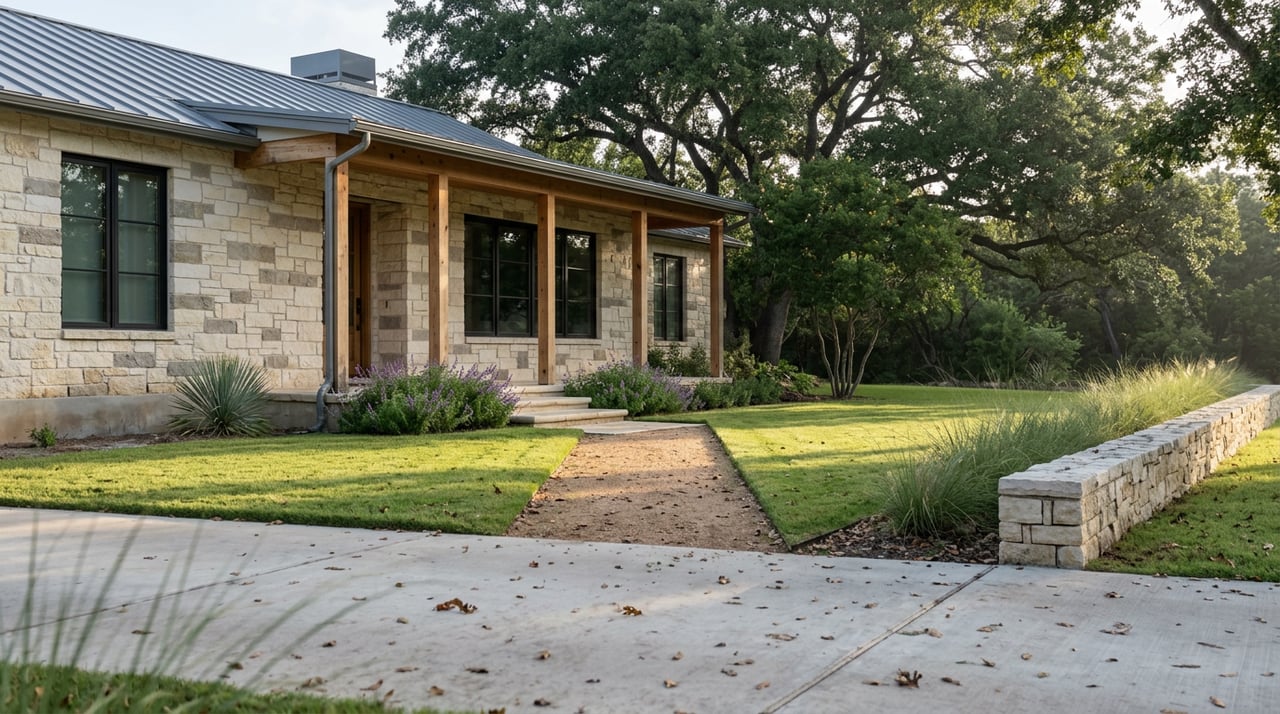
If you love walking to tasting rooms, restaurants, and shops, an in-town cottage or casita can be a great fit. Guests value walkability and charm, but you should plan for smaller lots, on-site parking requirements, and a closer neighborhood feel. These homes often command strong rates per square foot on busy weekends because location carries real value.
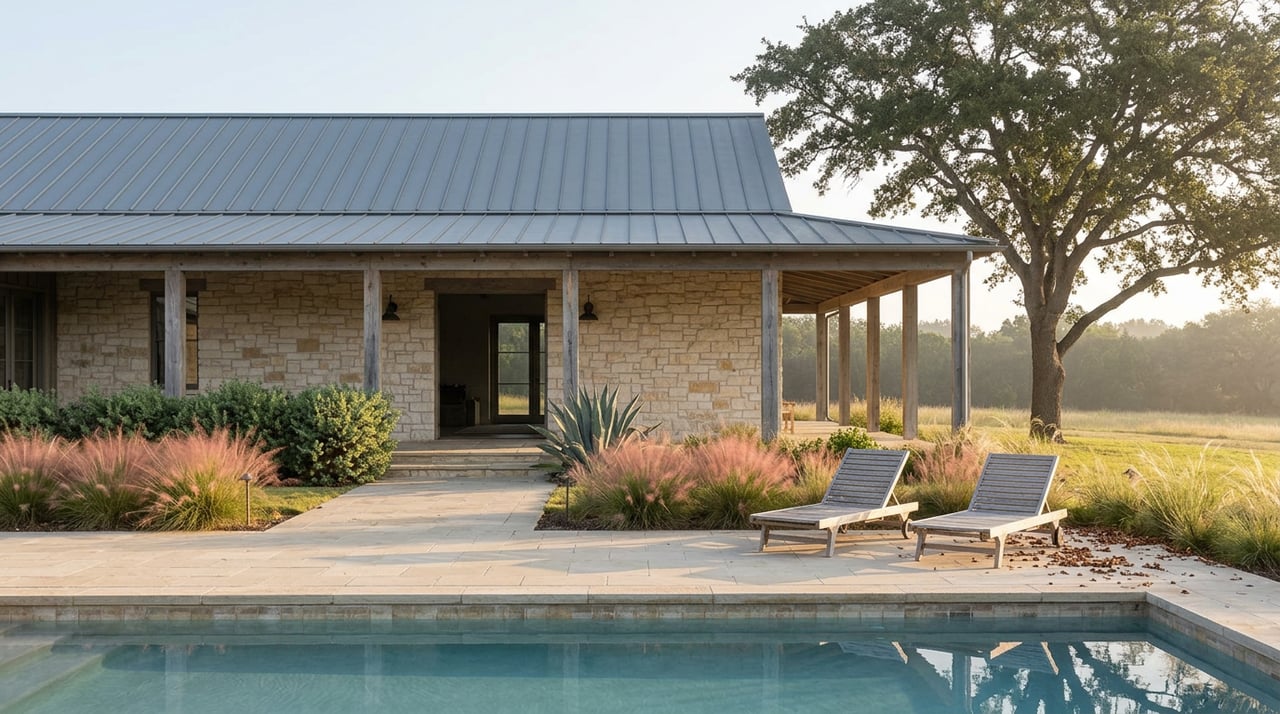
If privacy, views, and starry nights top your list, look toward vineyard-adjacent cottages, ranch casitas, or cabins on acreage in the county. These properties can attract longer, higher-ticket bookings and special-occasion stays. They often trade at a premium and can have lower resale liquidity, so make sure your hold horizon and financing plan match the property type.
You will see very different price figures depending on whether data reflects city cottages, county acreage, or a small sample of recent sales. Always ask for recent, property-type-specific sold comps to model your offer and potential returns. Comparing a walkable cottage to a 10-acre ranch will not give you a clear read on value.
Third-party summaries of local short-term rental performance often show average daily rates in the low-to-mid $300s and occupancy around 40 to 50 percent. Those figures reflect strong weekend pricing power alongside softer midweek demand. For a quick market snapshot, see an example of Fredericksburg STR metrics and then refine with your own comp set by property type and proximity to Main Street.
Price confidently for high-demand weekends, holidays, and signature events. Offset lighter midweek demand with two-night specials, winery shuttle partnerships, or work-friendly amenities like strong Wi-Fi and a dedicated desk. If you plan personal use, hold back a handful of meaningful dates each season so your lifestyle and revenue goals stay in balance.
Fredericksburg’s wine scene attracts couples’ getaways, small friend groups, wedding guests, and multigenerational trips. Set clear house rules about maximum occupancy, quiet hours, and parking to keep neighbors happy and protect your permit. A friendly, well-communicated policy often prevents the headaches that come with large or party-oriented groups.
Inside Fredericksburg city limits, short-term rentals are governed by a comprehensive ordinance that took effect January 1, 2024. Key points include permit and annual inspection requirements, a maximum occupancy of 12 people, and a parking standard of one space per bedroom. The ordinance also disallows new STR condominiums, prohibits STRs in R3 zoning, outlines graduated enforcement for violations, and allows permit transfers within 90 days of sale. Review the full STR ordinance and checklist before you write an offer.
Fredericksburg’s extra-territorial jurisdiction (ETJ) and unincorporated Gillespie County have different rules than the city. ETJ and county properties do not need a city STR permit, but other requirements still apply, including lodging tax and any county permits. Always confirm whether a parcel sits inside city limits, ETJ, or the county using the city’s Short-Term Rentals hub before you model income.
Short stays are subject to a combined 13 percent Hotel Occupancy Tax: 6 percent to the state and 7 percent to the local jurisdiction. If your property is inside city limits, you remit the local portion to the City of Fredericksburg; if outside, you remit to Gillespie County. The city ties STR permitting to HOT filings, and quarterly remittance is required. Learn how it works on the Hotel Occupancy Tax page.
Private covenants can permit, restrict, or condition short-term rentals. In Texas, the Tarr v. Timberwood Park decision held that short-term leasing could be a residential use under the specific deed restrictions at issue, but outcomes vary with the exact language and any later amendments. Read the case summary for context and have your attorney review covenants before you assume rights: Tarr v. Timberwood Park.
Many rural properties rely on a private well and on-site sewage facility (septic). These systems are regulated under Texas Administrative Code and require permits for most construction or alterations. Gillespie County enforces local standards and subdivision rules, including minimum lot sizes when both well and septic are used. Confirm as-built septic permits, well records, and any maintenance requirements. Start with the TCEQ’s overview of OSSF permitting and have your agent pull county records during due diligence.
Lenders treat second homes and investment properties differently. Many second-home loans allow around 10 percent down with solid reserves, while investment loans often call for 15 to 25 percent down and stricter underwriting. Be transparent about intended use and talk to more than one lender. Misclassifying a property can create problems later, so disclose your plan to rent on a short-term basis if that is part of your strategy.
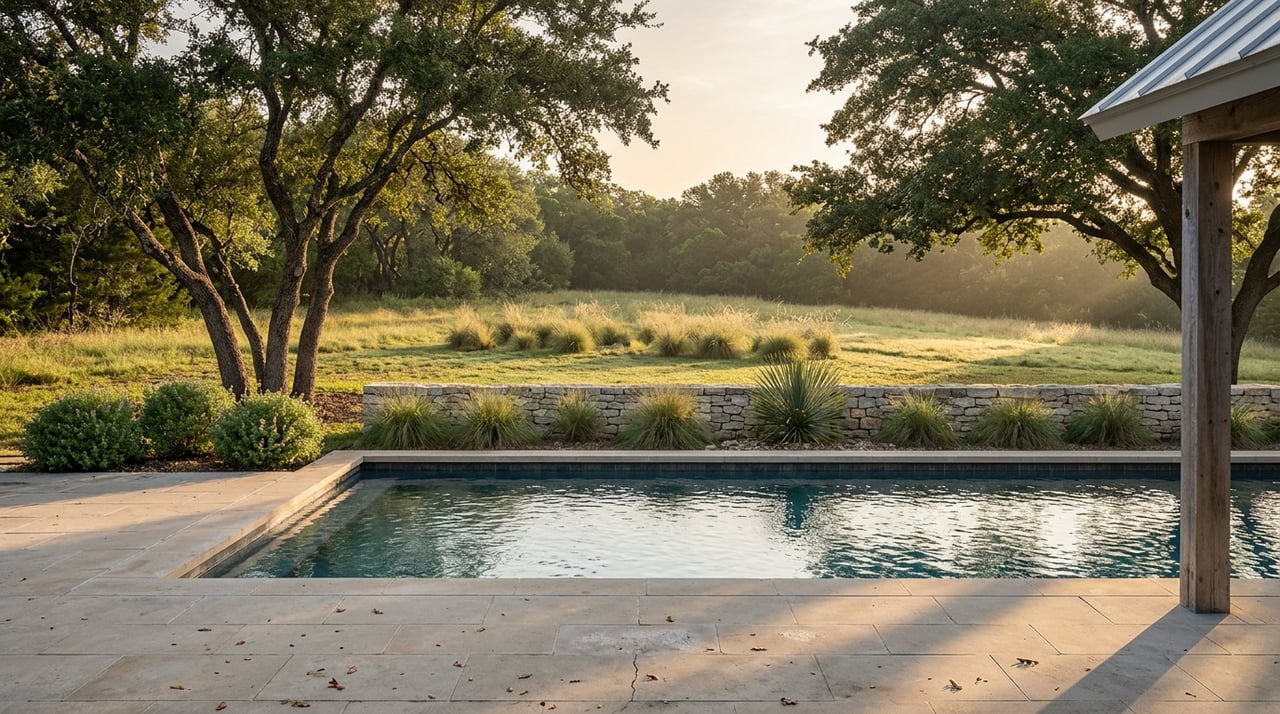
Do not rely solely on platform protections. Ask your insurer about a policy or endorsement that explicitly covers short-term rental activity, including liability, guest damage, and loss of income. Put coverage terms in writing and review any exclusions tied to occupancy or amenities like pools and hot tubs.
Federal rules for vacation homes depend on how often you rent and use the property yourself. If you rent for fewer than 15 days a year, you may be able to exclude that income, but you also cannot deduct rental expenses. At 15 days or more, you must report income and allocate expenses between rental and personal use. A tax professional can model depreciation, passive loss rules, and after-tax cash flow for your situation. Get oriented with this summary of vacation rental income rules.
Build a three-scenario pro forma: conservative, base case, and optimistic. For your starting point, use local STR comps and the market ranges noted above for ADR and occupancy, then stress-test by trimming ADR 15 to 30 percent and pulling midweek occupancy down. Include these line items:
Your goal is a cash-flow picture that still works if demand softens or expenses run high. If the conservative case makes sense, the upside becomes a bonus rather than a necessity.
Decide if you will self-manage or hire a local, full-service manager. Either way, the city requires a 24-hour local contact and posted host information for permitted STRs inside city limits. Review the city’s requirements on the Short-Term Rentals page and build a simple playbook that covers guest screening, parking instructions, trash handling, noise policy, and neighbor communication. A crisp operations plan protects your permit and your peace of mind.
Use this checklist before you write an offer:
Buying in Fredericksburg’s wine country is equal parts lifestyle and strategy. When you match the right property to your goals, build in the true costs, and stay compliant, a vacation home here can be a joy to own. If you want help identifying neighborhoods, modeling returns, or connecting with lenders, inspectors, managers, and design pros, reach out to Kelly Jo Gonzalez for concierge Hill Country guidance from first tour to first guest.
Stay up to date on the latest real estate trends.
As your real estate agent, Kelly Jo Gonzalez is committed to making the home buying and selling process as smooth as possible. She will listen to your needs and criteria in finding you your “Dream House” and will be dedicated to keeping you informed throughout each step.
Kelly Jo Gonzalez
321 Hale Street, Fredericksburg, TX 78624 1002 River Road, Suite 300 Boerne, TX 78006